Sea Freight
Worldwide Network of Ports
We operate through major seaports in Europe, Russia, Asia, the Middle East, and Africa — ensuring seamless global connections.
Seamless Logistics Services
Contact Our Logistics Team
Dependable logistics starts with a partner you can trust. We provide
Global, Reliable, and Cost-Efficient – Premium Sea Freight Solutions
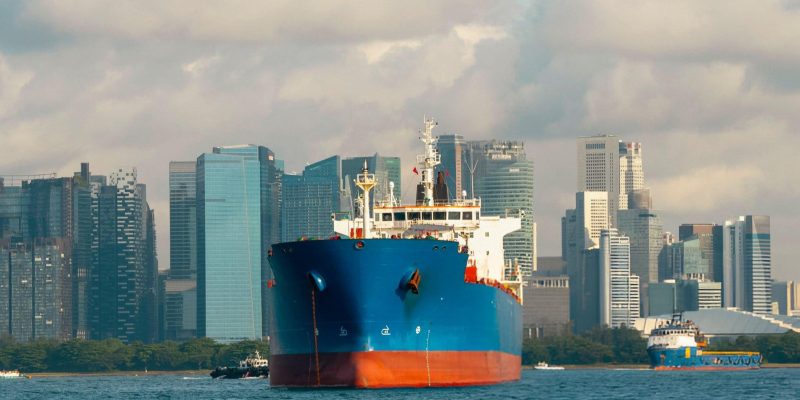
At Business Service Trans, we deliver world-class Sea Freight services designed to support your global supply chain with efficiency, flexibility, and reliability. Whether you are shipping full container loads, bulk cargo, project cargo, or consolidated shipments, our Sea Freight solutions provide the ideal balance between cost and performance.
With strong partnerships across major international ports and global shipping lines, we ensure smooth, predictable, and secure transportation for businesses of all sizes.
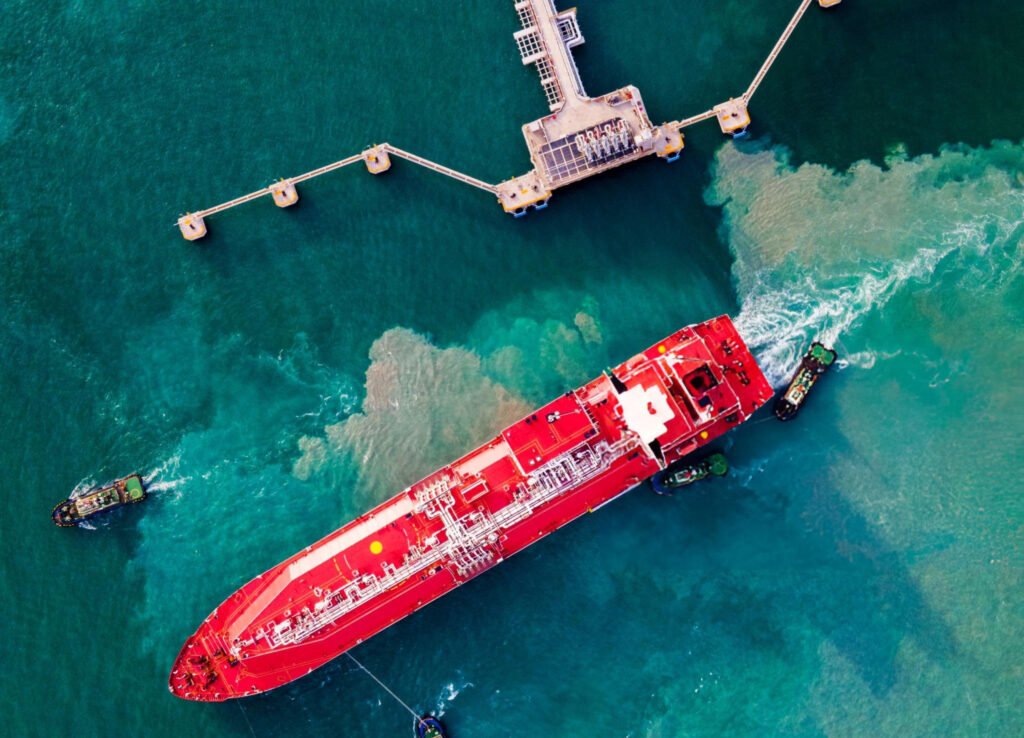

Industries We Serve with Sea Freight
Our Sea Freight services support a wide range of sectors, including:
Oil & Gas
Manufacturing
Automotive
Retail & Consumer Goods
Agriculture & Food Products
Chemicals & Pharmaceuticals
Construction
Heavy Machinery & Mining
No matter your industry, our Sea Freight solutions are designed to deliver reliability and global reach.
Cost-Effective Global Shipping
Sea Freight is the most economical way to transport large volumes of goods across long distances. It reduces shipping costs significantly compared to air and land transport.
Frequently asked questions
Transit times depend on the departure and destination ports, routing, and shipping line schedules. Generally, Sea Freight can take anywhere from 7 to 45 days, depending on global distance and port operations.
Sea Freight can handle almost all cargo types, including:
Containerized goods (FCL/LCL)
Vehicles and machinery
Bulk and break bulk cargo
Hazardous and non-hazardous materials
Perishable goods (using reefer containers)
Project and oversized cargo
FCL (Full Container Load): You rent the entire container for your cargo.
LCL (Less Than Container Load): Your cargo is consolidated with others in a shared container.
FCL is faster and more secure, while LCL is cost-effective for smaller shipments.
Yes. With proper packaging, labeling, and stowage, Sea Freight is safe for sensitive goods. For temperature-sensitive items, reefer containers maintain controlled conditions throughout transit.
Common documents include:
Bill of Lading
Commercial invoice
Packing list
Certificate of origin
Export/import permits
Customs declarations
Depending on the cargo and destination, additional documentation may be required.